Text
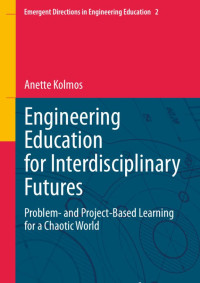
Engineering Education for Interdisciplinary Futures
1 Motivation . . . . . . . . . . . . . . . . . . . . . . . . . . . . . . . . . . . . . . . . . . . . . . . . 1\\\\r\\\\n 1.1 Introduction . . . . . . . . . . . . . . . . . . . . . . . . . . . . . . . . . . . . . . . . . . . 1\\\\r\\\\n 1.2 The Narrative in the Book . . . . . . . . . . . . . . . . . . . . . . . . . . . . . . . . 4\\\\r\\\\n 1.2.1 Setting the Scene . . . . . . . . . . . . . . . . . . . . . . . . . . . . . . . . . 4\\\\r\\\\n 1.2.2 Core Elements in PBL . . . . . . . . . . . . . . . . . . . . . . . . . . . . . 4\\\\r\\\\n 1.2.3 Emerging Trends . . . . . . . . . . . . . . . . . . . . . . . . . . . . . . . . . 5\\\\r\\\\n 1.2.4 Management and Transformation . . . . . . . . . . . . . . . . . . . . 5\\\\r\\\\n 1.2.5 Concluding Remarks . . . . . . . . . . . . . . . . . . . . . . . . . . . . . . 6\\\\r\\\\n 1.3 Reflection 1: Living-With Chaos . . . . . . . . . . . . . . . . . . . . . . . . . . . 6\\\\r\\\\n 2 Chaos and Concerns for the Future . . . . . . . . . . . . . . . . . . . . . . . . . . . 9\\\\r\\\\n 2.1 Anxiety over Climate Change . . . . . . . . . . . . . . . . . . . . . . . . . . . . . 9\\\\r\\\\n 2.2 Engineering, Students, and Climate Anxiety . . . . . . . . . . . . . . . . . . 11\\\\r\\\\n 2.3 From Climate Anxiety to Chaos or Collapse? . . . . . . . . . . . . . . . . . 13\\\\r\\\\n 2.4 Response from Engineering Education . . . . . . . . . . . . . . . . . . . . . . 16\\\\r\\\\n 2.5 University Modes . . . . . . . . . . . . . . . . . . . . . . . . . . . . . . . . . . . . . . . 18\\\\r\\\\n 2.6 Reflection 2: Living-with Chaos . . . . . . . . . . . . . . . . . . . . . . . . . . . 21\\\\r\\\\nReferences . . . . . . . . . . . . . . . . . . . . . . . . . . . . . . . . . . . . . . . . . . . . . . . . . 22\\\\r\\\\n 3 Variations in Institutional PBL Models . . . . . . . . . . . . . . . . . . . . . . . . 25\\\\r\\\\n 3.1 Introduction . . . . . . . . . . . . . . . . . . . . . . . . . . . . . . . . . . . . . . . . . . . 25\\\\r\\\\n 3.2 What Does PBL Mean? . . . . . . . . . . . . . . . . . . . . . . . . . . . . . . . . . . 26\\\\r\\\\n 3.3 The Origins and the Radical Theories . . . . . . . . . . . . . . . . . . . . . . . 28\\\\r\\\\n 3.4 Comparing Institutional PBL Practices . . . . . . . . . . . . . . . . . . . . . . 29\\\\r\\\\n 3.5 Comparing PBL Universities . . . . . . . . . . . . . . . . . . . . . . . . . . . . . . 33\\\\r\\\\n 3.6 Other Taxonomies for PBL . . . . . . . . . . . . . . . . . . . . . . . . . . . . . . . 36\\\\r\\\\n 3.7 The Importance of the Problem . . . . . . . . . . . . . . . . . . . . . . . . . . . . 39\\\\r\\\\n 3.8 Variation in the Problem Approach . . . . . . . . . . . . . . . . . . . . . . . . . 40\\\\r\\\\n 3.9 Reflection 3: Living-With Chaos . . . . . . . . . . . . . . . . . . . . . . . . . . . 42\\\\r\\\\nReferences . . . . . . . . . . . . . . . . . . . . . . . . . . . . . . . . . . . . . . . . . . . . . . . . . 43\\\\r\\\\n 4 A Case of Aalborg University: The Pioneers and Critical Voices . . . . 47\\\\r\\\\n 4.1 Introduction . . . . . . . . . . . . . . . . . . . . . . . . . . . . . . . . . . . . . . . . . . . 47\\\\r\\\\n 4.2 Skepticism of Aalborg University and the Renaming to PBL . . . . . 49\\\\r\\\\n 4.3 Development of the Curriculum Model . . . . . . . . . . . . . . . . . . . . . . 51\\\\r\\\\n 4.4 The Methods Approach . . . . . . . . . . . . . . . . . . . . . . . . . . . . . . . . . . 52\\\\r\\\\n 4.5 The Problem and the Project . . . . . . . . . . . . . . . . . . . . . . . . . . . . . . 54\\\\r\\\\n 4.6 Space and Facilitation . . . . . . . . . . . . . . . . . . . . . . . . . . . . . . . . . . . 56\\\\r\\\\n 4.7 Assessment . . . . . . . . . . . . . . . . . . . . . . . . . . . . . . . . . . . . . . . . . . . . 57\\\\r\\\\n 4.8 Loyalty and Concerns from the Academic Staff . . . . . . . . . . . . . . . 58\\\\r\\\\n 4.9 The Paradox of Institutional PBL Principles . . . . . . . . . . . . . . . . . . 59\\\\r\\\\n 4.10 Variation in the Problem-Based Project Curriculum . . . . . . . . . . . . 61\\\\r\\\\n 4.11 Critical Voices . . . . . . . . . . . . . . . . . . . . . . . . . . . . . . . . . . . . . . . . . 63\\\\r\\\\n 4.12 Reflection 4: Living-With Chaos . . . . . . . . . . . . . . . . . . . . . . . . . . . 66\\\\r\\\\nReferences . . . . . . . . . . . . . . . . . . . . . . . . . . . . . . . . . . . . . . . . . . . . . . . . . 67\\\\r\\\\n 5 PBL Learning Principles and Learning to Master Collaborative \\\\r\\\\nLearning . . . . . . . . . . . . . . . . . . . . . . . . . . . . . . . . . . . . . . . . . . . . . . . . . . 71\\\\r\\\\n 5.1 Towards an Understanding of PBL Learning Principles . . . . . . . . . 71\\\\r\\\\n 5.2 Similar Student-Centered Learning Principles . . . . . . . . . . . . . . . . 74\\\\r\\\\n 5.2.1 Conceive, Design, Implement and Operate: The CDIO \\\\r\\\\nInitiative . . . . . . . . . . . . . . . . . . . . . . . . . . . . . . . . . . . . . . . . 74\\\\r\\\\n 5.2.2 Challenge-Based Learning: The CBL Approach . . . . . . . . . 75\\\\r\\\\n 5.3 Textbooks and Research on Deep Learning . . . . . . . . . . . . . . . . . . . 77\\\\r\\\\n 5.4 Developing Mastery . . . . . . . . . . . . . . . . . . . . . . . . . . . . . . . . . . . . . 79\\\\r\\\\n 5.5 Learning Theories Reflecting Collaborative Learning and PBL . . . 81\\\\r\\\\n 5.6 Collaborative Learning in the Classroom . . . . . . . . . . . . . . . . . . . . 82\\\\r\\\\n 5.7 Holistic View of Learning Theories . . . . . . . . . . . . . . . . . . . . . . . . . 83\\\\r\\\\n 5.7.1 Experiential Learning. . . . . . . . . . . . . . . . . . . . . . . . . . . . . . 85\\\\r\\\\n 5.7.2 Transformative Learning and Identity Development . . . . . . 85\\\\r\\\\n 5.7.3 Organizational Learning . . . . . . . . . . . . . . . . . . . . . . . . . . . 87\\\\r\\\\n 5.7.4 Community of Practice . . . . . . . . . . . . . . . . . . . . . . . . . . . . 88\\\\r\\\\n 5.7.5 Tacit Collaborative Knowledge . . . . . . . . . . . . . . . . . . . . . . 89\\\\r\\\\n 5.8 Variation in Learning . . . . . . . . . . . . . . . . . . . . . . . . . . . . . . . . . . . . 91\\\\r\\\\n 5.9 Reflection 5: Living-With Chaos . . . . . . . . . . . . . . . . . . . . . . . . . . . 92\\\\r\\\\nReferences . . . . . . . . . . . . . . . . . . . . . . . . . . . . . . . . . . . . . . . . . . . . . . . . . 93\\\\r\\\\n 6 Generic Competencies, Reflection and Experimentation . . . . . . . . . . 99\\\\r\\\\n 6.1 The Transition from Education to Work . . . . . . . . . . . . . . . . . . . . . 99\\\\r\\\\n 6.2 Generic Competencies . . . . . . . . . . . . . . . . . . . . . . . . . . . . . . . . . . . 101\\\\r\\\\n 6.3 Competencies and Meta-Competencies . . . . . . . . . . . . . . . . . . . . . . 102\\\\r\\\\n 6.4 Case of Teaching and Learning Generic Competencies \\\\r\\\\nat Aalborg University . . . . . . . . . . . . . . . . . . . . . . . . . . . . . . . . . . . . 103\\\\r\\\\n 6.5 Learning by Reflection and Experimentation . . . . . . . . . . . . . . . . . 105\\\\r\\\\n 6.6 Could We Start with Experiment Instead of Reflection? . . . . . . . . . 108\\\\r\\\\n 6.7 The Generic PBL Competencies in the Curriculum . . . . . . . . . . . . 110\\\\r\\\\n 6.8 Curriculum Variation in the Learning of PBL Generic \\\\r\\\\nCompetencies . . . . . . . . . . . . . . . . . . . . . . . . . . . . . . . . . . . . . . . . . . 115\\\\r\\\\n 6.9 Reflection 6: Living-With Chaos . . . . . . . . . . . . . . . . . . . . . . . . . . . 116\\\\r\\\\nReferences . . . . . . . . . . . . . . . . . . . . . . . . . . . . . . . . . . . . . . . . . . . . . . . . . 118\\\\r\\\\n 7 Interdisciplinary Learning Within or Across Programs? . . . . . . . . . . 121\\\\r\\\\n 7.1 Introduction . . . . . . . . . . . . . . . . . . . . . . . . . . . . . . . . . . . . . . . . . . . 121\\\\r\\\\n 7.2 What is a Discipline? . . . . . . . . . . . . . . . . . . . . . . . . . . . . . . . . . . . . 122\\\\r\\\\n 7.3 New Interdisciplinary Engineering Disciplines . . . . . . . . . . . . . . . . 123\\\\r\\\\n 7.4 Engineering and Science . . . . . . . . . . . . . . . . . . . . . . . . . . . . . . . . . 125\\\\r\\\\n 7.5 The Cultural Dimension of a Discipline . . . . . . . . . . . . . . . . . . . . . 126\\\\r\\\\n 7.6 Approach to Learning . . . . . . . . . . . . . . . . . . . . . . . . . . . . . . . . . . . 127\\\\r\\\\n 7.7 What is Interdisciplinarity? . . . . . . . . . . . . . . . . . . . . . . . . . . . . . . . 129\\\\r\\\\n 7.8 Interdisciplinary Projects . . . . . . . . . . . . . . . . . . . . . . . . . . . . . . . . . 131\\\\r\\\\n 7.9 Interdisciplinary Learning Outcomes and Collaboration . . . . . . . . . 134\\\\r\\\\n 7.10 Reflection 7: Living-with Chaos . . . . . . . . . . . . . . . . . . . . . . . . . . . 137\\\\r\\\\nReferences . . . . . . . . . . . . . . . . . . . . . . . . . . . . . . . . . . . . . . . . . . . . . . . . . 138\\\\r\\\\n 8 Boundary Crossing, Transformation, and Emotions . . . . . . . . . . . . . . 143\\\\r\\\\n 8.1 Marketplace for Interdisciplinary Competencies . . . . . . . . . . . . . . . 143\\\\r\\\\n 8.2 Boundary Crossing as a New Core? . . . . . . . . . . . . . . . . . . . . . . . . 145\\\\r\\\\n 8.3 Learning Mechanisms at the Boundary . . . . . . . . . . . . . . . . . . . . . . 147\\\\r\\\\n 8.4 Transfer and Transformation as Generic Competencies . . . . . . . . . 150\\\\r\\\\n 8.5 Transformation and Meta-Competencies . . . . . . . . . . . . . . . . . . . . . 152\\\\r\\\\n 8.6 Transformation Competency to Handle Chaos . . . . . . . . . . . . . . . . 153\\\\r\\\\n 8.7 Emotions as Part of Transformation and Chaos . . . . . . . . . . . . . . . . 156\\\\r\\\\n 8.8 Agency and Resilience . . . . . . . . . . . . . . . . . . . . . . . . . . . . . . . . . . . 159\\\\r\\\\n 8.9 A Note on Well-being . . . . . . . . . . . . . . . . . . . . . . . . . . . . . . . . . . . 161\\\\r\\\\n 8.10 Reflection 8: Living with Chaos . . . . . . . . . . . . . . . . . . . . . . . . . . . 162\\\\r\\\\nReferences . . . . . . . . . . . . . . . . . . . . . . . . . . . . . . . . . . . . . . . . . . . . . . . . . 164\\\\r\\\\n 9 Educational Change and Transformation . . . . . . . . . . . . . . . . . . . . . . 169\\\\r\\\\n 9.1 Introduction . . . . . . . . . . . . . . . . . . . . . . . . . . . . . . . . . . . . . . . . . . . 169\\\\r\\\\n 9.2 Did we Change or Did we Transform? . . . . . . . . . . . . . . . . . . . . . . 171\\\\r\\\\n 9.3 Educational Change at Different Levels . . . . . . . . . . . . . . . . . . . . . 172\\\\r\\\\n 9.4 Values and Culture: A Core Motivation . . . . . . . . . . . . . . . . . . . . . . 175\\\\r\\\\n 9.5 The Power of Cases . . . . . . . . . . . . . . . . . . . . . . . . . . . . . . . . . . . . . 176\\\\r\\\\n 9.6 Systemic Change . . . . . . . . . . . . . . . . . . . . . . . . . . . . . . . . . . . . . . . 178\\\\r\\\\n 9.7 Alignment and Misalignment in the Curriculum as Drivers . . . . . . 180\\\\r\\\\n 9.8 Management and Leadership in Successful Change . . . . . . . . . . . . 181\\\\r\\\\n 9.9 Stagnation, Institutionalism, and Trust . . . . . . . . . . . . . . . . . . . . . . 185\\\\r\\\\n 9.10 Reflection 9: Living-With Chaos . . . . . . . . . . . . . . . . . . . . . . . . . . . 187\\\\r\\\\nReferences . . . . . . . . . . . . . . . . . . . . . . . . . . . . . . . . . . . . . . . . . . . . . . . . . 188\\\\r\\\\n 10 Educational Development Units and the Power of Networking . . . . . 193\\\\r\\\\n 10.1 Introduction . . . . . . . . . . . . . . . . . . . . . . . . . . . . . . . . . . . . . . . . . . 193\\\\r\\\\n 10.2 Educational, Academic Staff or Faculty Development? . . . . . . . . 194\\\\r\\\\n 10.3 Location of the Educational Development Units in the \\\\r\\\\nOrganization . . . . . . . . . . . . . . . . . . . . . . . . . . . . . . . . . . . . . . . . . . 196\\\\r\\\\n 10.4 Research-Based Development . . . . . . . . . . . . . . . . . . . . . . . . . . . . 197\\\\r\\\\n 10.5 Working with Resistance . . . . . . . . . . . . . . . . . . . . . . . . . . . . . . . . 198\\\\r\\\\n 10.5.1 Loss of Control and Authority . . . . . . . . . . . . . . . . . . . . . 200\\\\r\\\\n 10.6 Networks as Change Agents . . . . . . . . . . . . . . . . . . . . . . . . . . . . . 201\\\\r\\\\n 10.6.1 PhD Students and Training the Trainers. . . . . . . . . . . . . . 203\\\\r\\\\n 10.6.2 International Research Symposium on PBL (IRSPBL) . . . 203\\\\r\\\\n 10.7 National, Nordic, European and International Networks . . . . . . . . 205\\\\r\\\\n 10.8 Reflection 10 on Learning to Live-with Chaos . . . . . . . . . . . . . . . 206\\\\r\\\\nReferences . . . . . . . . . . . . . . . . . . . . . . . . . . . . . . . . . . . . . . . . . . . . . . . . . 207\\\\r\\\\n 11 Learning to Live-With Chaos . . . . . . . . . . . . . . . . . . . . . . . . . . . . . . . . 211\\\\r\\\\n 11.1 Introduction . . . . . . . . . . . . . . . . . . . . . . . . . . . . . . . . . . . . . . . . . . 211\\\\r\\\\n 11.2 Chaos and Complexity Modes . . . . . . . . . . . . . . . . . . . . . . . . . . . . 212\\\\r\\\\n 11.3 Living-With . . . . . . . . . . . . . . . . . . . . . . . . . . . . . . . . . . . . . . . . . . 214\\\\r\\\\n 11.4 The Potential of PBL . . . . . . . . . . . . . . . . . . . . . . . . . . . . . . . . . . . 215\\\\r\\\\n 11.5 Next Steps . . . . . . . . . . . . . . . . . . . . . . . . . . . . . . . . . . . . . . . . . . . 217\\\\r\\\\n 11.5.1 Scientific Knowledge and Risk Management . . . . . . . . . 217\\\\r\\\\n 11.5.2 Interdisciplinary and Transdisciplinary Knowledge . . . . 218\\\\r\\\\n 11.5.3 Boundary Crossing, Transformation and Generic \\\\r\\\\nCompetencies as Methods . . . . . . . . . . . . . . . . . . . . . . . . 219\\\\r\\\\n 11.5.4 Collaborative and Individual Resilience . . . . . . . . . . . . . 220\\\\r\\\\n 11.6 Variation in Educational Practice . . . . . . . . . . . . . . . . . . . . . . . . . . 221\\\\r\\\\n 11.7 Academic Culture, Management and Push for Change . . . . . . . . . 222\\\\r\\\\n 11.8 And What about AI? . . . . . . . . . . . . . . . . . . . . . . . . . . . . . . . . . . . 223\\\\r\\\\n 11.9 Contribution to a New University Vision? . . . . . . . . . . . . . . . . . . . 224\\\\r\\\\nReferences . . . . . . . . . . . . . . . . . . . . . . . . . . . . . . . . . . . . . . . . . . . . . . . . . 225
Availability
Detail Information
- Series Title
-
-
- Call Number
-
620.0071 Ane e
- Publisher
- Switzerland : Springer Nature Switzerland., 2026
- Collation
-
xiv, 225 hlm. : 25,5 cm.
- Language
-
English
- ISBN/ISSN
-
978-3-032-32540-2
- Classification
-
620.0071
- Content Type
-
-
- Media Type
-
-
- Carrier Type
-
-
- Edition
-
-
- Subject(s)
- Specific Detail Info
-
-
- Statement of Responsibility
-
-
Other version/related
No other version available
File Attachment
Comments
You must be logged in to post a comment
 Computer Science, Information & General Works
 Philosophy & Psychology
 Religion
 Social Sciences
 Language
 Pure Science
 Applied Sciences
 Art & Recreation
 Literature
 History & Geography